BEEtropolis
If London could be summed up in a single phrase, it would surely be this: the perfect city for every single person to live in.
But is that entirely true? Probably not, because we humans aren’t the only residents who feel quite at home in this metropolis.
London has its own thriving ecosystem, one that truly rivals the wild — the sheer variety of its inhabitants is rather astonishing, from foxes serenading the night and startling unsuspecting newcomers, to parakeets that blend so seamlessly into the city’s lush greenery that oblivious passers-by, catching sight of them among the leaves, are struck with pure delight, right through to beavers taking on the role of the capital’s own civil engineers, building proper dams.
But detailing the city’s fauna isn’t really the task at hand today — let’s leave that to the real experts, like Sir David Attenborough and his wonderful documentary from earlier this year, Wild London.
Instead, we’re going to focus on just one small slice of that picture: the residents every city garden longs to have, whether it’s a public green space, a private back garden, or a corporate rooftop garden atop one of the City’s skyscrapers — bees. This genuine public affection for urban pollinators goes well beyond planting a variety of flowers and creating hospitable conditions for apiaries; it runs deep into the city’s cultural fabric, reflecting our fascination with these tiny creatures.
The Bank of England Museum has just opened a wonderfully engaging interactive exhibition, The Power of Honey: Food, Finance and the Golden Age of Fraud, dedicated to the city’s own “BEE-nomics”. Its creators, the agency Bompas & Parr, invite visitors to uncover surprising connections between counterfeit honey, financial scams, and the systems of trust that shape everyday metropolitan life. Our team went along, and we’d definitely recommend a visit — it’s a brilliant way to understand certain economic processes through the lens of the “urban hive”.


Fortnum & Mason has also embraced the BEEtropolis aesthetic, marking a hundred years since the appearance of that iconic honey-loving teddy bear, Winnie-the-Pooh, written by the world-famous, London-born Alan Alexander Milne. Incidentally, there’s a plaque marking Milne’s birthplace in Kilburn.
All the shop locations have been styled to match the theme. At St Pancras station, where their store reliably keeps travellers stocked up on treats, gifts, and good cheer, the decorators have built a giant beehive — a little reminder that we’re all a kind of metrobee ourselves. And when the frantic pace of the city calls for a breather, you can step inside and meditate to the hum of the bees. Just be careful — it’s easy to lose all track of time in there and miss your train.


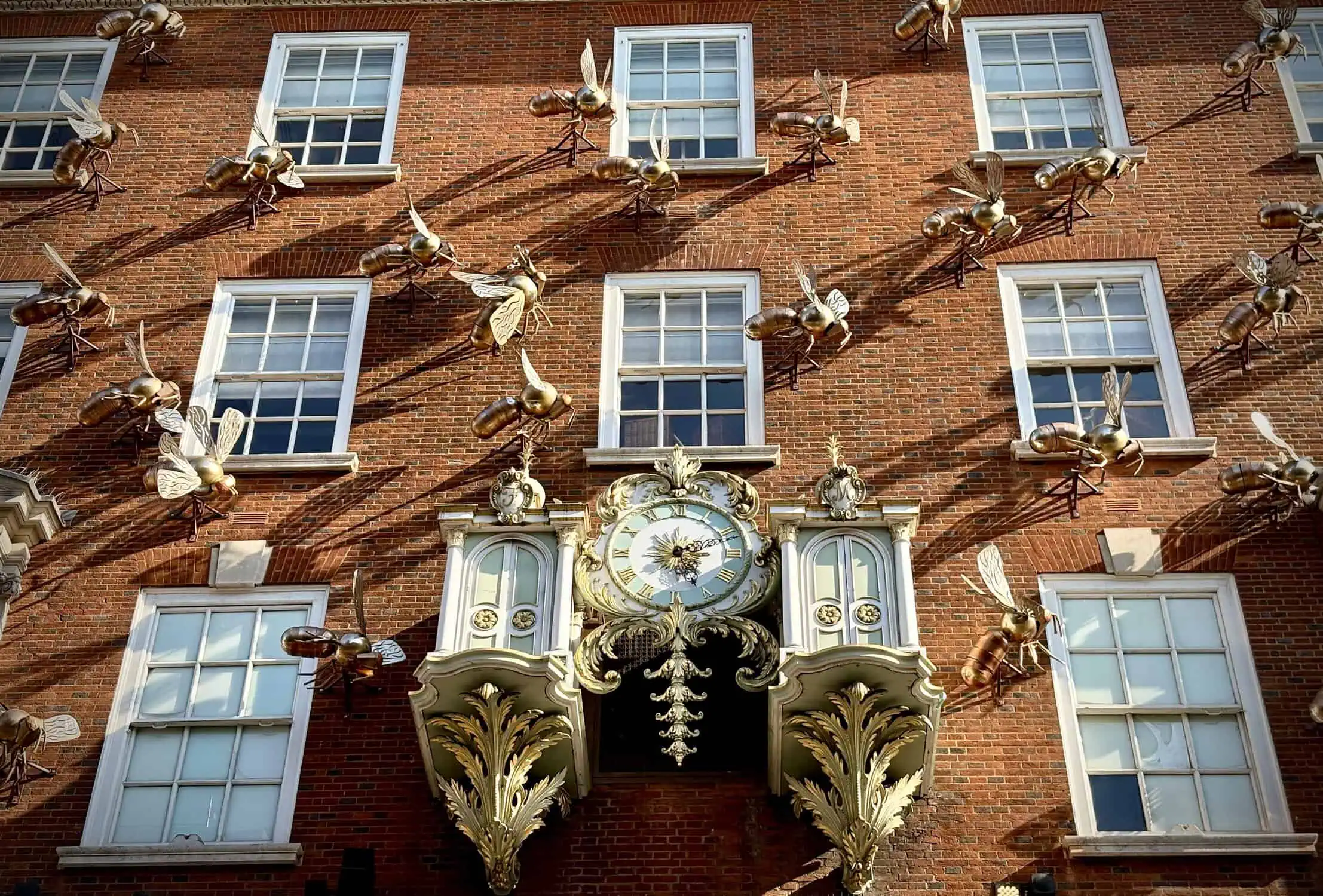
The façade of the main Fortnum & Mason store Piccadilly, always such a treat for the eye with its flamboyant window displays, is this time decorated with enormous bees, and the windows themselves are dressed in honey-inspired scenes. Inside, you’ll find plenty of treats themed around the famous book, along with a collection of honey gathered from every corner of the country, plus a specially curated “summer honey” that Pooh himself would surely approve of.


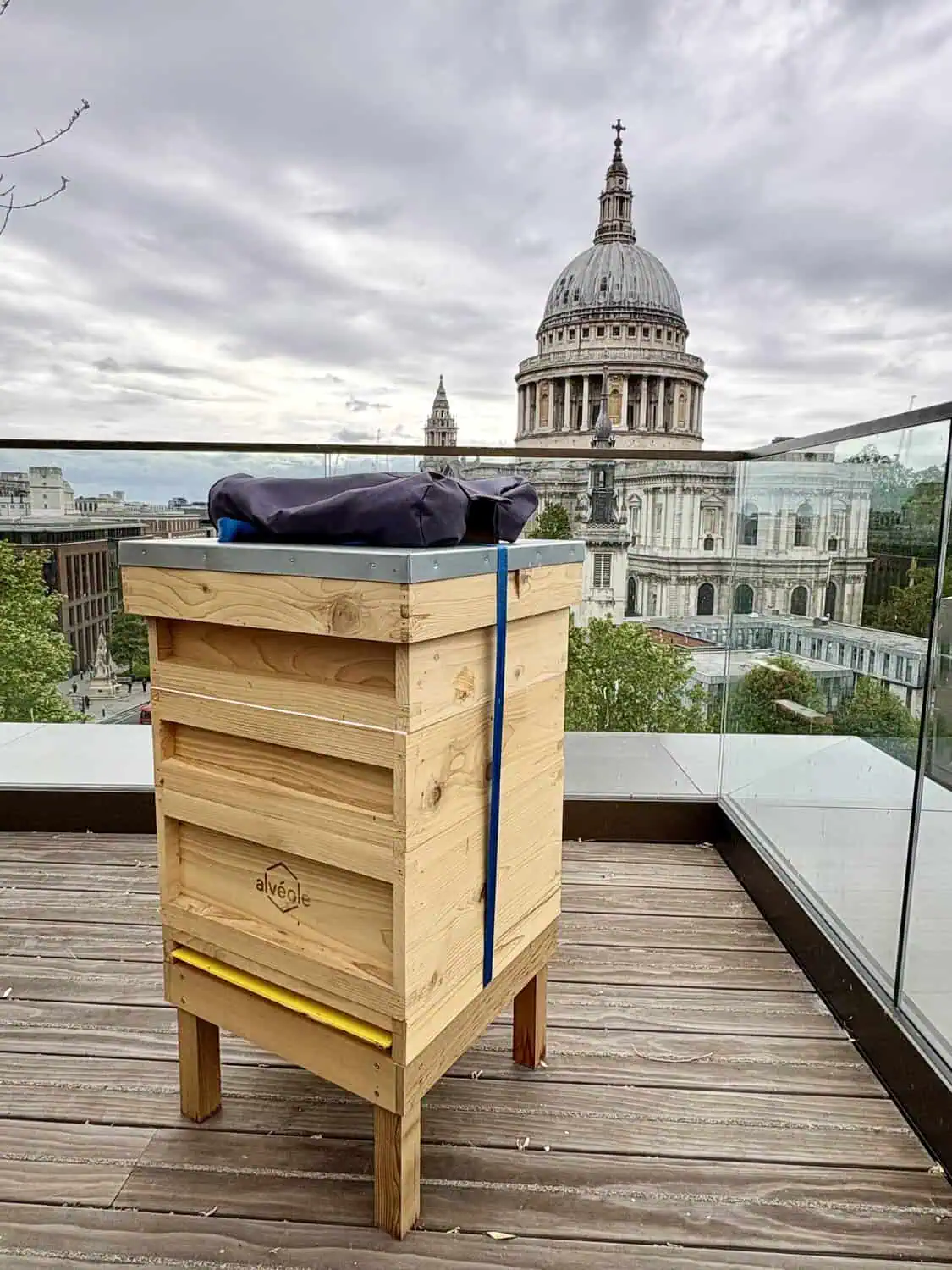
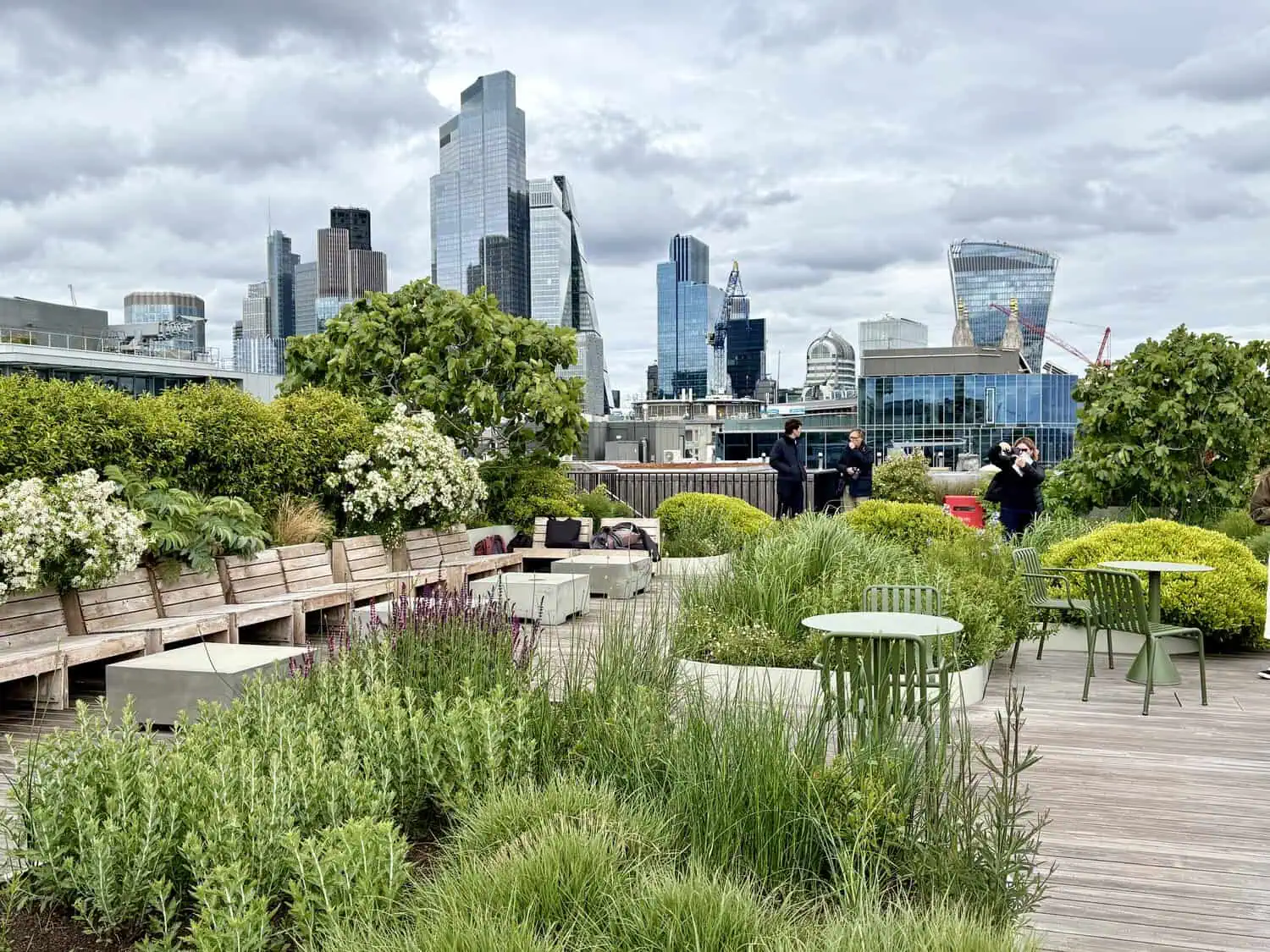
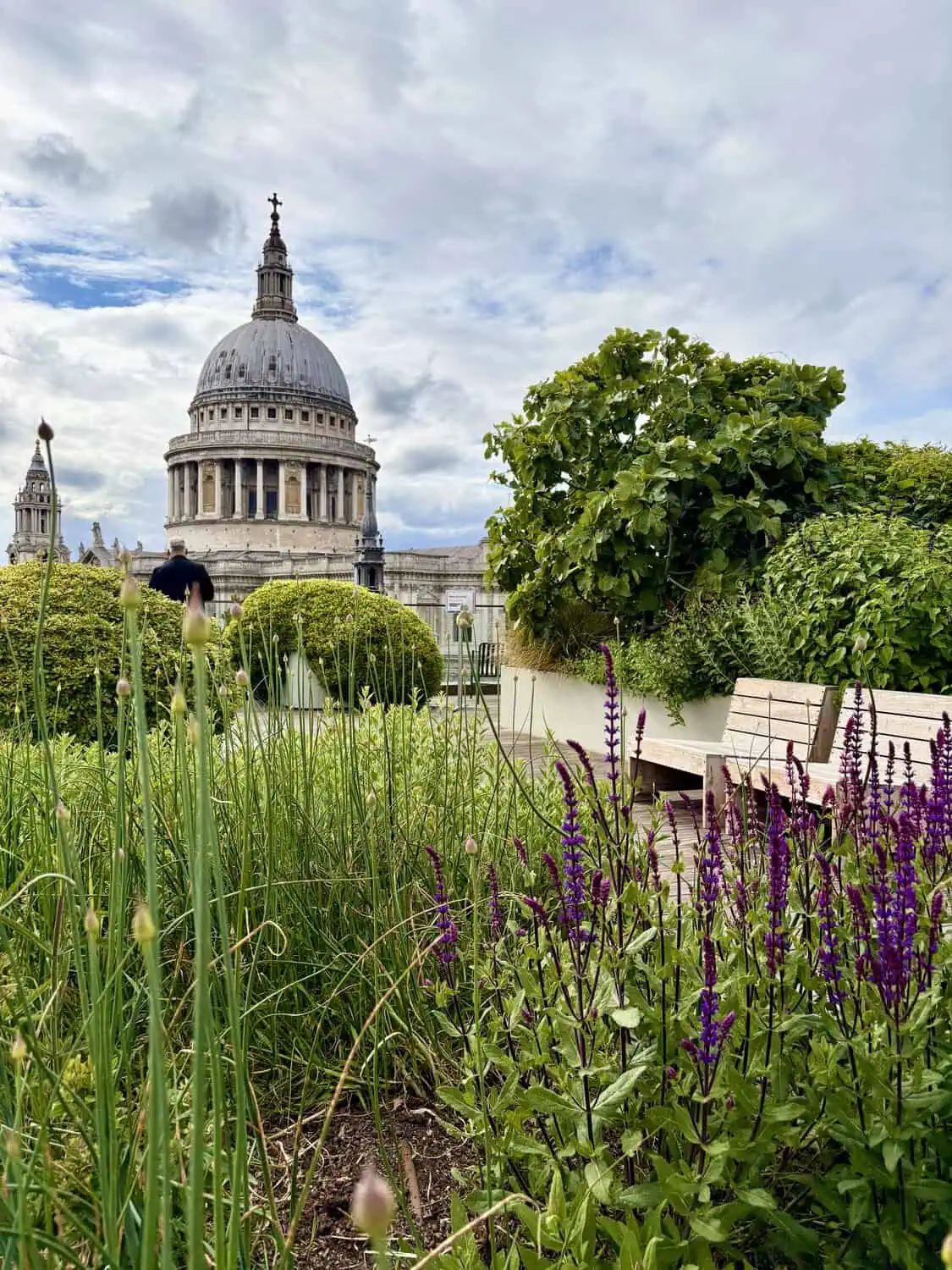
If you fancy diving a little deeper into the world of urban beekeeping and seeing how naturally it fits into the fabric of a big city, we’d recommend visiting one of the many city gardens that keep their own hives — like the rooftop garden at 25 Cannon Street, which offers an unbeatable view of St Paul’s Cathedral.
And if your curiosity is still not satisfied, you can always broaden your knowledge further with workshops and courses run by dedicated organisations such as the London Beekeepers’ Association, which covers the central part of the city, or find beekeepers in your own neighbourhood via The British Beekeepers Association’s website.